Nashville, TN · Garage Door Service
Rural Hill homes went up mostly around 1988, later than much of Nashville's stock. We travel out from Nashville, about 15 miles, for spring, opener, and panel work suited to that era.
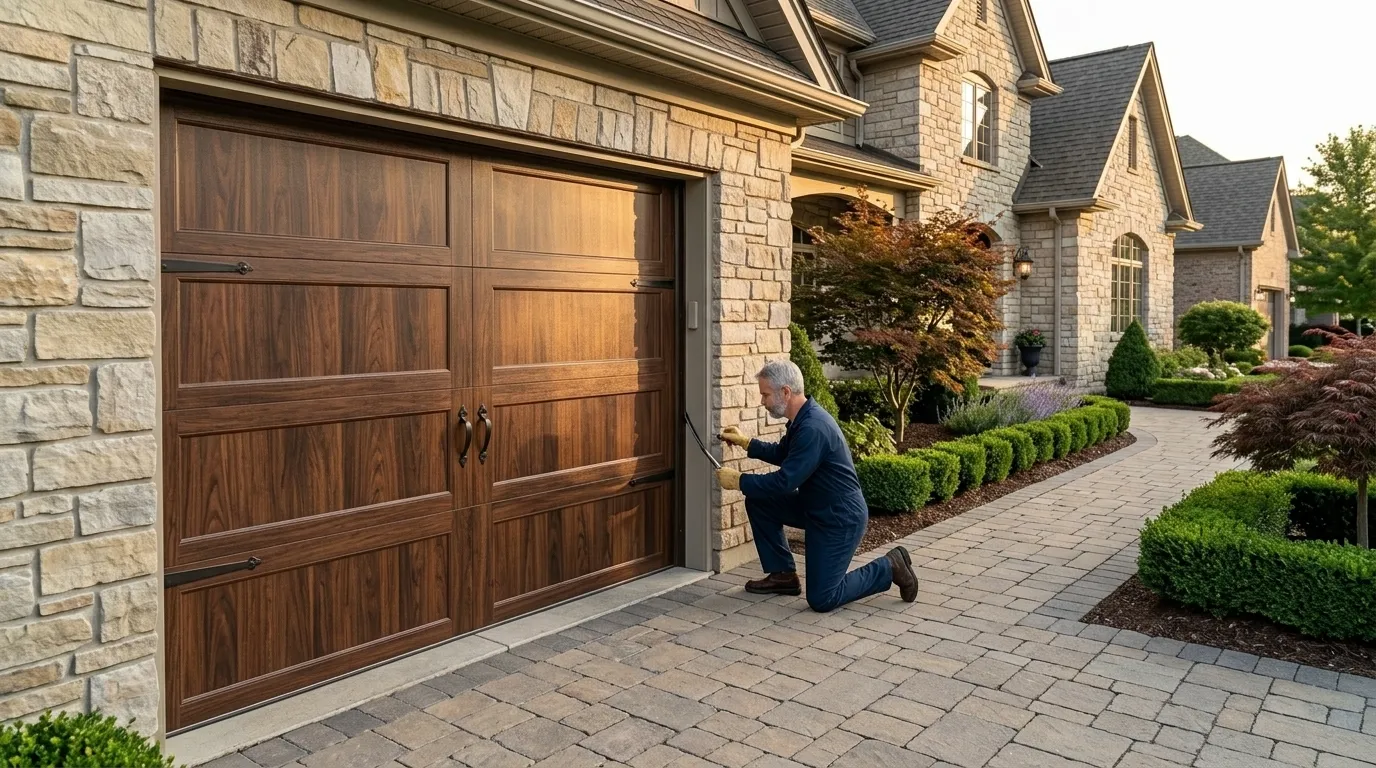
Rural Hill sits about 15 miles out from Nashville, past several of the closer-in areas we cover like Green Hill and Mount Juliet. That distance matters for one reason: we don't keep a crew or a stocked van sitting in Rural Hill waiting on calls. We come from Nashville, so when you call, factor the drive into when we can get there. We're upfront about that because a company that claims to be "right around the corner" in a place 15 miles out is telling you something that isn't true. What we can tell you is what the doors here tend to need, because the housing stock in Rural Hill is different enough from the rest of our service area that it changes the job.
Most of the wider Nashville area we serve was built across a long stretch, 1953 to 2012, with a median around 1990. Rural Hill's own median build year lands at 1988, a couple years earlier than that overall median. It's a small gap on paper, but it's enough to shift which hardware generation shows up on a given service call, and that's worth knowing before we even get a truck moving.
A median build year of 1988 in Rural Hill means the neighborhood isn't split the way some parts of our service area are, between a handful of older pre-1970s houses and a wave of new construction. Rural Hill reads more like one build era with some spread around it. That's different from an area with, say, a pocket of 1960s ranch houses next to 2005 infill - those mixed areas force us to carry parts for two completely different door generations on the same street.
In Rural Hill, the doors we open up are consistently late-1980s installs, or the openers and springs that have replaced original equipment since then. With only 867 households in the area, it's also a smaller, more predictable pool of housing than some of the larger sections of our coverage - fewer surprises, fewer wildly different vintages back to back. That doesn't mean every door is identical. Replacement openers get swapped in on their own schedule regardless of when the house went up, so a 1988 house can easily be running a 2015 opener. But the door itself, the track, and the original spring mounts tend to trace back to that same late-'80s build window.
Late-1980s residential construction in this part of Tennessee usually means steel raised-panel doors on extension or torsion spring setups, garage door openers that were mid-tier chain-drive units for their day, and single-car or two-car configurations depending on lot size. By 1988 builders had mostly moved off the older side-mounted torsion hardware that shows up in pre-1970s stock, which is one advantage of Rural Hill's build era - parts availability for torsion springs and standard track from this period is still reasonably good.
What we don't know without seeing the house is which doors have already been replaced. A 1988 build doesn't mean a 1988 door is still hanging in the opening - plenty of these have had at least one panel replacement or full door swap in the 35-plus years since. What we can say with more confidence is the opener wiring and the wall control setup, since those tend to get touched less often than the door itself. We won't guess at a specific model or brand for your house without a call, since that's the one part of this we can't know from build-year data alone.
With a median household income of $84,310 in Rural Hill, this isn't an area where we typically see people ripping out a functional door for a cosmetic upgrade - most calls here are repair-first, replace-when-it-makes-sense. A broken torsion spring or a burnt-out opener capacitor on a late-1980s door is usually a straightforward repair, not a reason to replace the whole unit, and we'll say so on the call rather than upselling a new door you don't need.
Where replacement does make sense in a house this age is when the door itself is the original steel panel from 1988 - insulation values on those are low by current standards, and in a cold-moderate climate like this region's, that shows up as a garage that runs noticeably colder than the rest of the house in winter. If you're already replacing a beat-up door, upgrading the insulation at the same time is worth the conversation. If the door's sound and just needs a part, we'll tell you that instead. Limitation worth naming: we don't stock every hardware size on the truck, so an unusual track width on an older custom install can mean a short wait on a part.
No. We're based in Nashville and travel out to Rural Hill, about 15 miles, for service calls. We don't keep equipment staged locally in Rural Hill, so drive time is part of any scheduling conversation.
With a median build year of 1988 in Rural Hill, it's possible, but plenty of doors from that era have already been replaced or had panels swapped. We'd need to look at the actual door and opener to tell you, not just the house's age.
Generally not. By 1988 most builders had moved to torsion spring setups and standard track sizes that are still common today, so parts availability is better than it is for pre-1970s hardware. Unusual custom sizes can still mean a short wait.
Depends on what's wrong. A broken spring or worn opener part on a structurally sound 1988-era door is usually worth fixing. If the panel itself is original and poorly insulated, replacement becomes worth discussing, especially given our cold-moderate winters.
Call now or request a free quote - same-day service on most repairs, upfront written pricing.